


Skill Building Through the Haggadah

Creating a Haggadah is a meaningful and memorable part of Early Childhood preparation for Pesach. When approached creatively, it becomes more than a project—it blends skill-building, artistic expression, and hands-on learning, helping children connect deeply to the story of Pesach.

Cognitive development: how children think, explore, remember, and understand is one area of child development. The growth is rapid in the early childhood years, especially in language, memory, problem-solving, and imagination.

Cognitive development in early childhood is nurtured through:

    • Conversation

    • Play

    • Exploration

    • Reflection

    • Intentional questioning

 Practical Ideas:


    1. Language


    • The Seder is full of “why” moments—why do we dip twice, why do we recline, why do we eat matzah? Ask children to think about these questions, make predictions, or suggest explanations, which encourages logical reasoning and critical thinking. You can turn these questions into interactive games, such as sorting “cause and effect” cards.

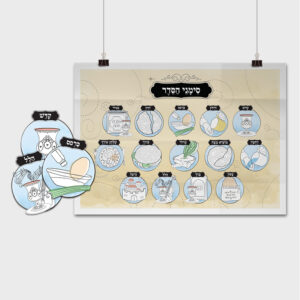
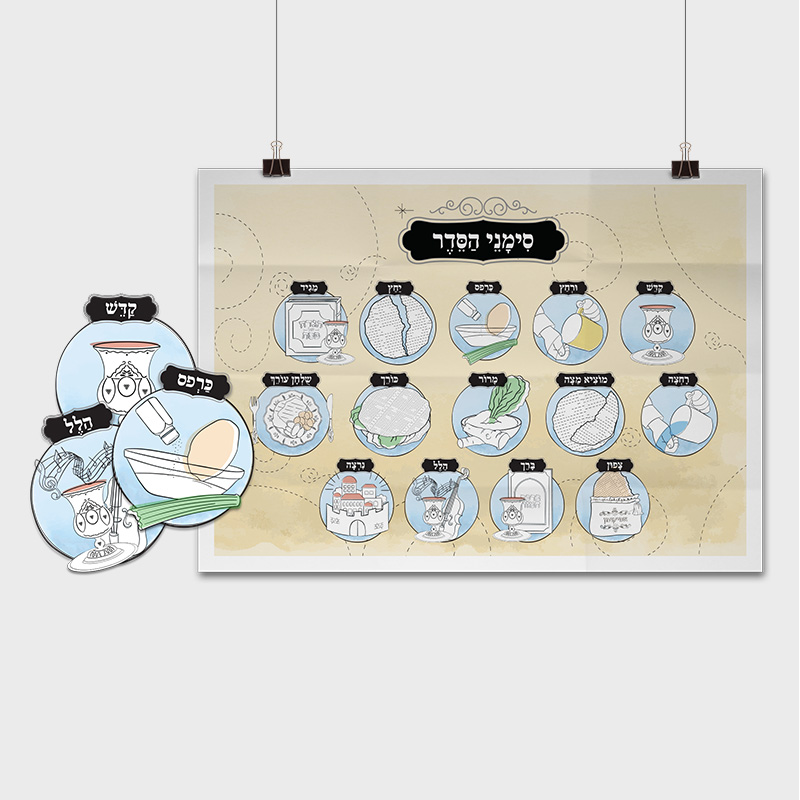
    • The Haggadah introduces rich vocabulary—from Hebrew terms like the Simanei HaSeder to descriptive language about the Makkos. Don’t substitute these words with simpler, more familiar ones; use the opportunity to enrich students’ vocabulary.


    1. Sequence and Memory 


    • Designing the Haggadah requires much direction/guidance from the teacher. Give multi-step directions gradually and use repetitive language, with variations. That builds neural connections in a child’s brain.


    1. Problem-Solving & Critical Thinking


    • Ask guiding questions:

“What could we try next?”
“Why do you think that didn’t work?”


    • Provide open-ended materials (blocks, loose parts, art supplies) as often as possible and encourage children to use their imagination.


Remember! The goal is the process, not the product.

Leave a Reply

Your email address will not be published. Required fields are marked *

MORE TO EXPLORE

Three Activities to Build a Positive Purim Atmosphere 

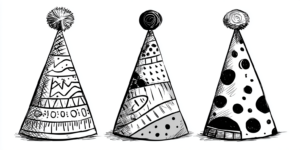
The last day before Purim doesn’t have to dissolve into chaos. With a little planning, it can be both fun and meaningful for students. The Clown Hat Reflection Each student decorates a paper clown hat — completely freestyle. When finished, the hats are displayed on the teacher’s desk. One by one, a student selects a hat (not her own) and describes both the design and the personality of the girl who created it. The only rule: every comment must be positive and anchored in the visible features of the hat. A symmetrical layout reflects careful thinking.Neat spacing signals organization.Vibrant colors suggest confidence.Detailed embellishments show depth and creativity. Materials Needed: White paper clown hats (one per student) Markers, Colored pencils, crayons, scissors, tape, glue, stapler Optional: glitter glue, stickers, patterned paper scraps List of attributes for students to work with     The Costume Hat Circle For this activity, each girl

Read More »

7 Tips for Teaching Pesach

https://tuteachercenter.org/wp-content/uploads/2026/02/Pesach%20Tips%20Presentation.mp4 7 veteran teachers share their top tips for teaching Pesach MORAH BUSEL7th Grade, Bais Yaakov D’Rav MeirPrepare thoughtfully. Know the purpose of each mitzvah and each paragraph of the Haggadah, and internalize its flow so your teaching is clear, deep, and intentional. MORAH ZIEMBA6th Grade, Bais Yaakov 18th AveMaintain clear focus:The objective is to illuminate the pshat of the Haggadah while conveying enduring messages of emunah. MORAH WEISSMANDL7th Grade, Bais Yaakov D’Rav MeirCultivate a calm, structured classroom environment that enables students to absorb the emunah. MORAH KNOBEL7th Grade, Torah Academy for GirlsDivrei Torah should reinforce the hashkafic themes of Pesach to maximize time and impact.Brief daily quizzes—including a question on a Dvar Torah— strengthen accountability. MORAH GANZWEIG7th Grade, Bais Yaakov Boro ParkIncorporate color-coding into the pesukim of “Arami Oved Avi.”The visual cues serve as familiar anchors, equipping students to follow the storyline at the Seder. MRS. SARA CHAYA FARBSTEINTU

Read More »

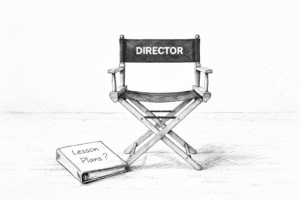
Behind the Desk to Director’s Chair

The elementary school teacher’s guide to putting on a class performance Siddur play, Chumash play, Purim play, Tehillim play, Birchas Yaakov performance, Rosh Chodesh assembly, seventh-and-eighth grade performance… Most elementary school teachers have one of the above written into their contracts. Opinions and feelings, when we took a poll, were mixed. Excellent advice was a’plenty. Read, enjoy and get equipped!   The Upsides Nechama is a sixth grade teacher who’s been running her annual class play for many years. She sees firsthand the positive outcomes of the efforts she invests to make a beautiful performance where every student can truly shine. “A lot of girls really have hidden talents. Giving a girl the responsibility to take charge can show you a side of her you never knew existed. Pushing a shy student to take a role you know she is really capable of can open her up, turning her into

Read More »

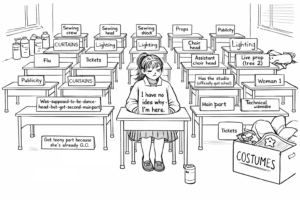
No Work and All Play…?

Kvetches, thoughts and tips on teaching through play season by teachers like you.   Join ‘em The majority of teachers shared roughly the same game plan: Don’t fight them – show genuine interest and share in their excitement. Hindy acknowledges that teaching during production season is definitely compromised teaching. “It’s not just the missed class time – it’s a serious lack of focus.” Still, she believes that these few weeks mean the world to so many students and create their fondest high school memories. “Make peace with the reality of play season and lean into it,” she advises.  Liba says that when she gives her students time to talk about the play, they feel like she’s “in on it”. She finds that the more she connects with their performance, the better they snap back into real learning in her class post-play season. Of course, she tries to attend either the

Read More »

Send Us A Message

WE THINK YOU'LL LIKE THESE

7 Tips for Teaching Pesach

https://tuteachercenter.org/wp-content/uploads/2026/02/Pesach%20Tips%20Presentation.mp4 7 veteran teachers share their top tips for teaching Pesach MORAH BUSEL7th Grade, Bais Yaakov D’Rav MeirPrepare thoughtfully. Know the purpose of each mitzvah

Read More »

Please note we are no longer
accepting Haggadah orders

General Studies

At this time we offer classroom setup materials only for General Studies. You can also browse themed bulletin boards by clicking General Studies in the menu.

Grade

1

Grade

2

Grade

3

Grade

4

Grade

5

Grade

6

Grade

7

Grade

8

Bring it up a level with ChinuchHub workshops:

torah (by Torah Umesorah Teacher Center)

Limudei Kodesh

calculator (by Torah Umesorah Teacher Center)

General Studies

toy blocks (by Torah Umesorah Teacher Center)

Early Childhood

by Torah Umesorah Teacher Center

Interactive Supplies

by Torah Umesorah Teacher Center

Browse By Grade

Best
Sellers