The Power of PTA

Parent-teacher conferences can feel intense. It’s a long evening, squeezed into an already packed week, and it sometimes comes with anxiety on both sides of the desk. But when approached thoughtfully, PTA can become one of the most uplifting, relationship-building parts of the school year—for you and for parents.

Here are some practical, real-world insights designed to guide teachers—new and experienced alike—toward meaningful, productive conferences.

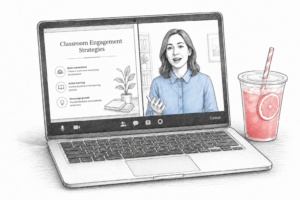
Want to hear more? These tips come  come from Torah Umesorah’s The Power of PTA—a rich, practical session packed with guidance, insight, and live role play. Click to watch.


Why PTA Still Matters

In many schools, teachers are already in consistent contact with parents. You make your welcome calls before the year begins, send notes home, reach out when needed. So why gather everyone on one night? Why the babysitters, parking, schedules, and stress?

Because face-to-face connection builds something no email or phone call can.

Parents know their child at home; teachers know their child in the classroom. Those two versions can be surprisingly different. PTA creates space to exchange perspectives, align expectations, and understand the whole child more clearly. Most teachers walk away from the evening feeling uplifted and appreciated, reminded of the strong support system surrounding their students.

PTA isn’t just about reporting. It’s more about partnering.


From Performance to Partnership

It’s natural—especially for new teachers—to walk into PTA feeling “on stage.” But conferences are not a test of your expertise. They are conversations, not performances.

Instead of thinking, “I need to have all the answers,” try:

“We’re on the same team, trying to help the same child.”

Parents aren’t coming to assess you; they’re coming to understand their child’s experience. When you approach PTA with humility, curiosity, and openness, the entire tone shifts. It becomes relational rather than intimidating, collaborative rather than defensive.


Professionalism That Feels Warm

Practical preparation makes a world of difference. A calm, organized classroom communicates confidence and care long before you say a word.


Prepare the environment

  • Tidy surfaces and erase boards.
  • Remove outdated displays (no Sukkos boards in Teves).
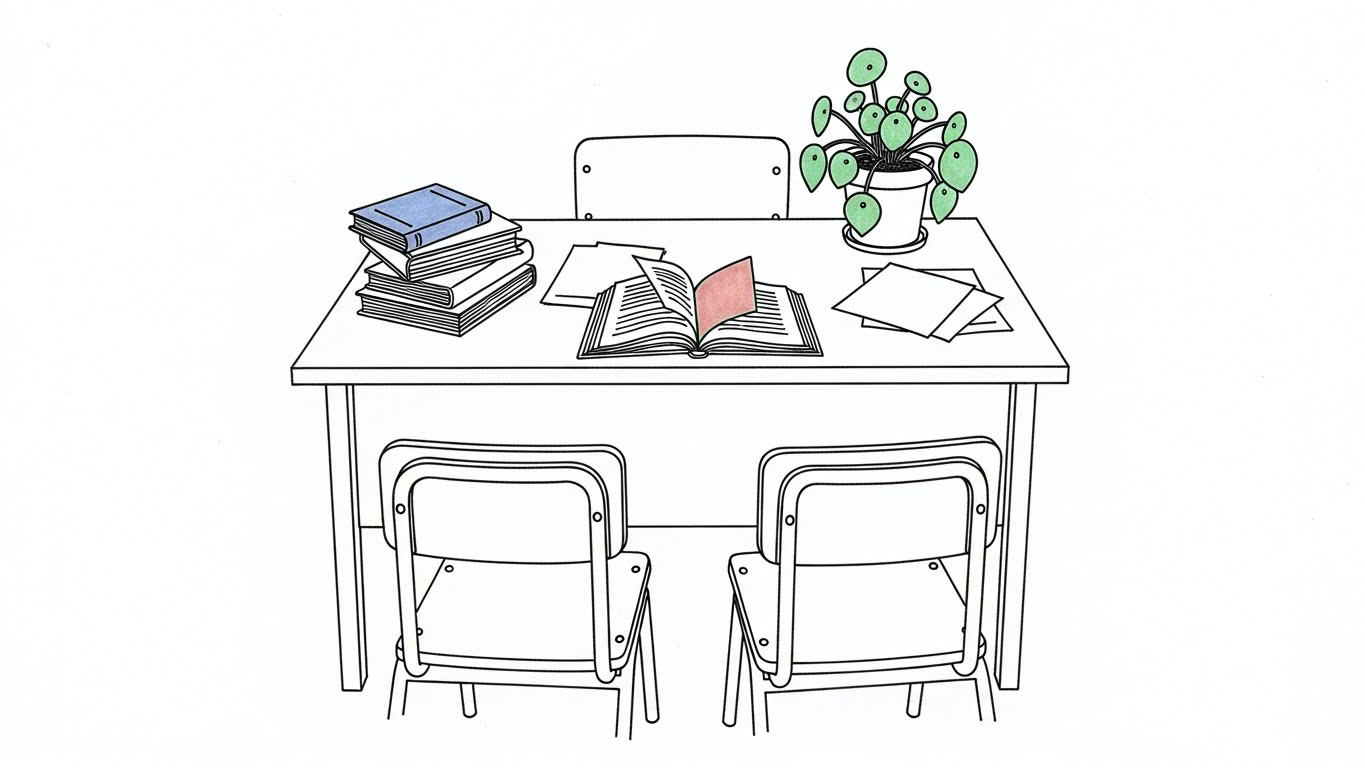
  • Provide two adult-sized chairs—many schools expect both parents.
  • Keep student work or portfolios arranged in PTA order, so you aren’t shuffling through piles.

Parents quickly connect the organization they see with the way you run your classroom. A clear, calm space quietly assures them their child is in capable hands.


Protect the schedule

Time is one of the biggest challenges of PTA.

  • Wear a watch (not your phone).
  • Stick to the schedule; if a conversation needs more time, schedule a follow-up.

A respectful, timely system reassures parents and avoids stress later in the evening.


Be an ambassador

Parents should walk away thinking well not only of you, but of:

  • Your co-teachers
  • The administration
  • The school as a whole

Even when parents share frustrations, avoid joining negative talk. A teacher who speaks respectfully about the school reinforces trust and stability.


When You’re Caught Off Guard

Every teacher eventually faces a moment at PTA when a parent asks something surprising, uncomfortable, or inappropriate:

  • Requests for information about another student
  • Criticism of previous teachers
  • Questions you genuinely don’t know how to answer
  • Sensitive family disclosures

Your rule of thumb:

You never have to answer immediately.

It’s professional to say:

  • “I want to think about that and get back to you.”
  • “I’m not comfortable sharing information about other students.”
  • “That may be something to discuss with the principal.”

Buy time with kindness: write down the concern, validate it, and explain when you will follow up. Remaining calm and steady protects you, the student, and the integrity of the school.


At its core, PTA is not about grades, charts, or bullet points. It’s about showing parents—through your words, tone, and presence—that you truly see their child.

A meaningful conference leaves parents feeling reassured that their child is valued, confident in the partnership between home and school, and hopeful about their child’s continued growth – and it leaves teachers feeling renewed, supported, and connected.

To see these ideas modeled in real life, watch The Power of PTA: A Role Play——a session designed by Torah Umesorah to help every teacher enter PTA night confident, prepared, and ready to build stronger relationships.


Leave a Reply

Your email address will not be published. Required fields are marked *

MORE TO EXPLORE

Behind the Desk to Director’s Chair

The elementary school teacher’s guide to putting on a class performance Siddur play, Chumash play, Purim play, Tehillim play, Birchas Yaakov performance, Rosh Chodesh assembly, seventh-and-eighth grade performance… Most elementary school teachers have one of the above written into their contracts. Opinions and feelings, when we took a poll, were mixed. Excellent advice was a’plenty. Read, enjoy and get equipped!   The Upsides Nechama is a sixth grade teacher who’s been running her annual class play for many years. She sees firsthand the positive outcomes of the efforts she invests to make a beautiful performance where every student can truly shine. “A lot of girls really have hidden talents. Giving a girl the responsibility to take charge can show you a side of her you never knew existed. Pushing a shy student to take a role you know she is really capable of can open her up, turning her into

Read More »

No Work and All Play…?

Kvetches, thoughts and tips on teaching through play season by teachers like you.   Join ‘em The majority of teachers shared roughly the same game plan: Don’t fight them – show genuine interest and share in their excitement. Hindy acknowledges that teaching during production season is definitely compromised teaching. “It’s not just the missed class time – it’s a serious lack of focus.” Still, she believes that these few weeks mean the world to so many students and create their fondest high school memories. “Make peace with the reality of play season and lean into it,” she advises.  Liba says that when she gives her students time to talk about the play, they feel like she’s “in on it”. She finds that the more she connects with their performance, the better they snap back into real learning in her class post-play season. Of course, she tries to attend either the

Read More »

Chazak, Chazak, V’Nischazek!

A Siyum Summary The standard celebration for completing a perek or significant amount of learning is the ubiquitous siyum. Aside from serving as a major incentive for students to keep on learning with vigor, the siyum makes an important statement to our talmidos: Every part of Torah is precious, valuable, and immeasurably special – and your hard work to gain knowledge and understand is a simcha to be celebrated.  If planning a siyum  for your class is still a challenge, you’re not alone. Class dynamics, time, school policies and a host  of other factors can make it a daunting task. Read on for valuable pointers from teachers who have their siyum systems down to a science.   The White Shirt  What’s a siyum without a white shirt? It’s important to keep track of the date – if Rosh Chodesh is the same week, it can be challenging for mothers laundry-wise. 

Read More »

Mommy and Me Workshops

Mommy & Me Day is a special opportunity to welcome mommies into the classroom and celebrate the powerful connection between home and school. It gives mommies a meaningful peek into what happens during the school day, while helping children feel supported, confident, and excited about their learning experience. Why is a Mommy and Me Day important?   Strengthens home–school connectionWhen mommies step into the classroom, they better understand the school’s values, routines, and learning goals—creating a true partnership.   Builds children’s emotional securityChildren feel proud, confident, and safe when their mommy is part of their school world, which supports emotional development.   Encourages meaningful parent involvement Mommies experience hands-on activities and gain ideas they can continue at home.   Enhances social and language skillsShared activities promote communication, cooperation, and expressive language in a natural way.   Creates joyful, lasting memoriesPositive school experiences tied to family build warm associations with learning

Read More »

Send Us A Message

WE THINK YOU'LL LIKE THESE

The Power of PTA

Parent-teacher conferences can feel intense. It’s a long evening, squeezed into an already packed week, and it sometimes comes with anxiety on both sides of

Read More »

Report Card Comments

Report card comments serve a vital purpose in a student’s educational journey. These comments offer insights into a student’s strengths and overall character.  It’s important

Read More »

General Studies

At this time we offer classroom setup materials only for General Studies. You can also browse themed bulletin boards by clicking General Studies in the menu.

Grade

1

Grade

2

Grade

3

Grade

4

Grade

5

Grade

6

Grade

7

Grade

8

Bring it up a level with ChinuchHub workshops:

torah (by Torah Umesorah Teacher Center)

Limudei Kodesh

calculator (by Torah Umesorah Teacher Center)

General Studies

toy blocks (by Torah Umesorah Teacher Center)

Early Childhood

by Torah Umesorah Teacher Center

Interactive Supplies

by Torah Umesorah Teacher Center

Browse By Grade

Best
Sellers